Understanding the Liturgical Calendar: A Guide for Catholics in the United States

Table of Contents
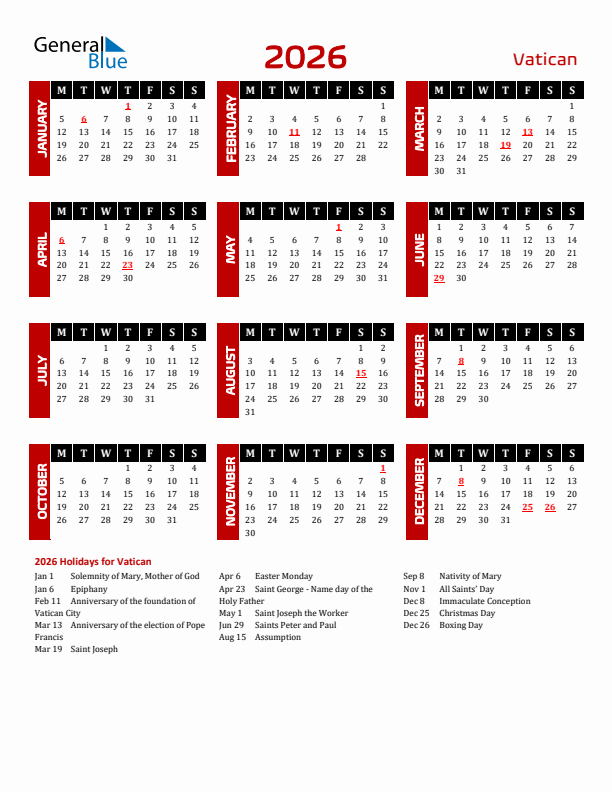
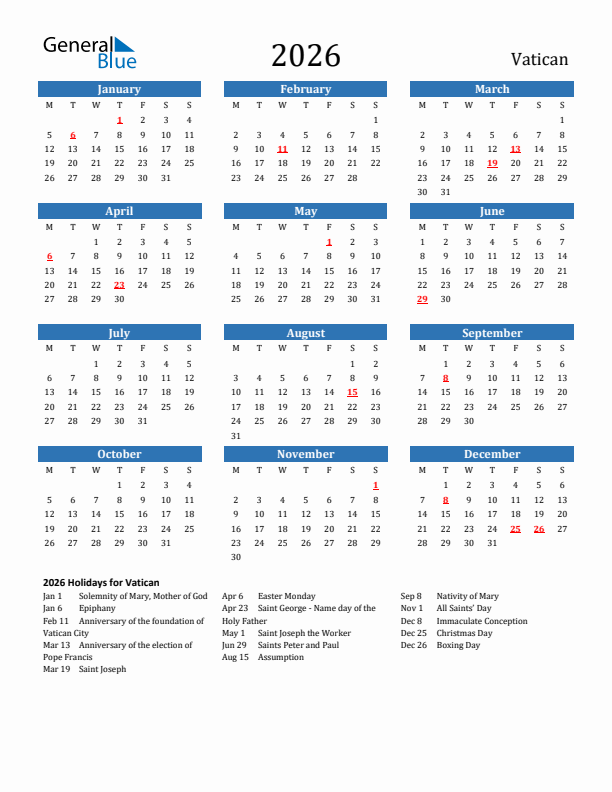
- 2026 Vatican Calendar with Holidays
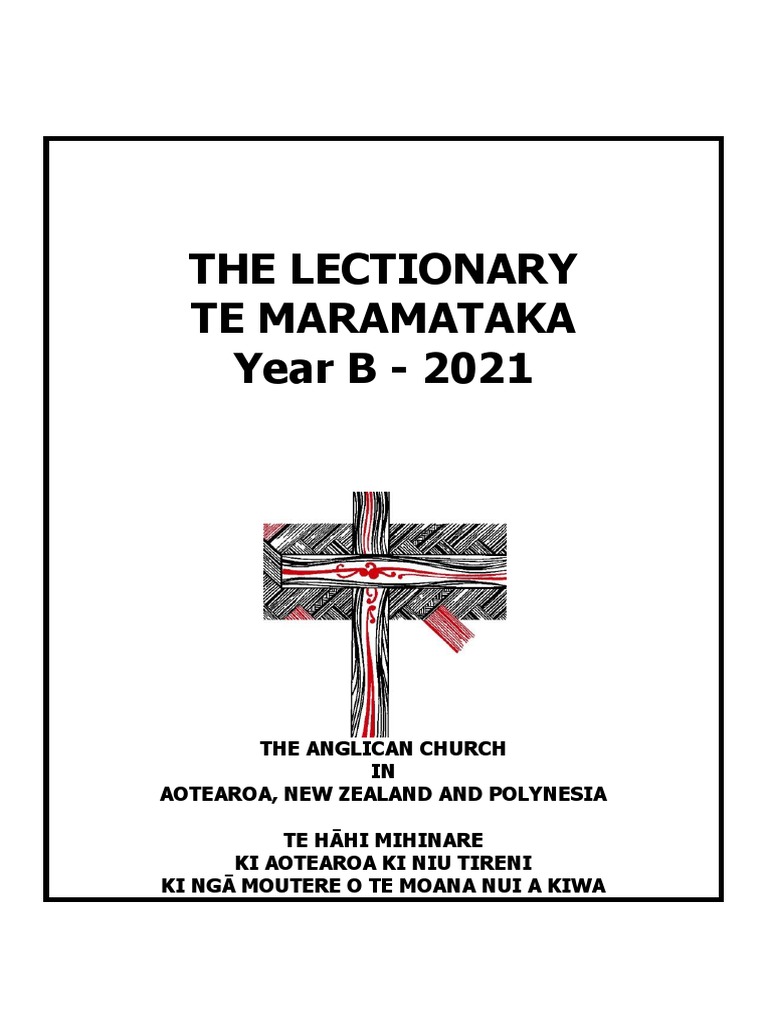
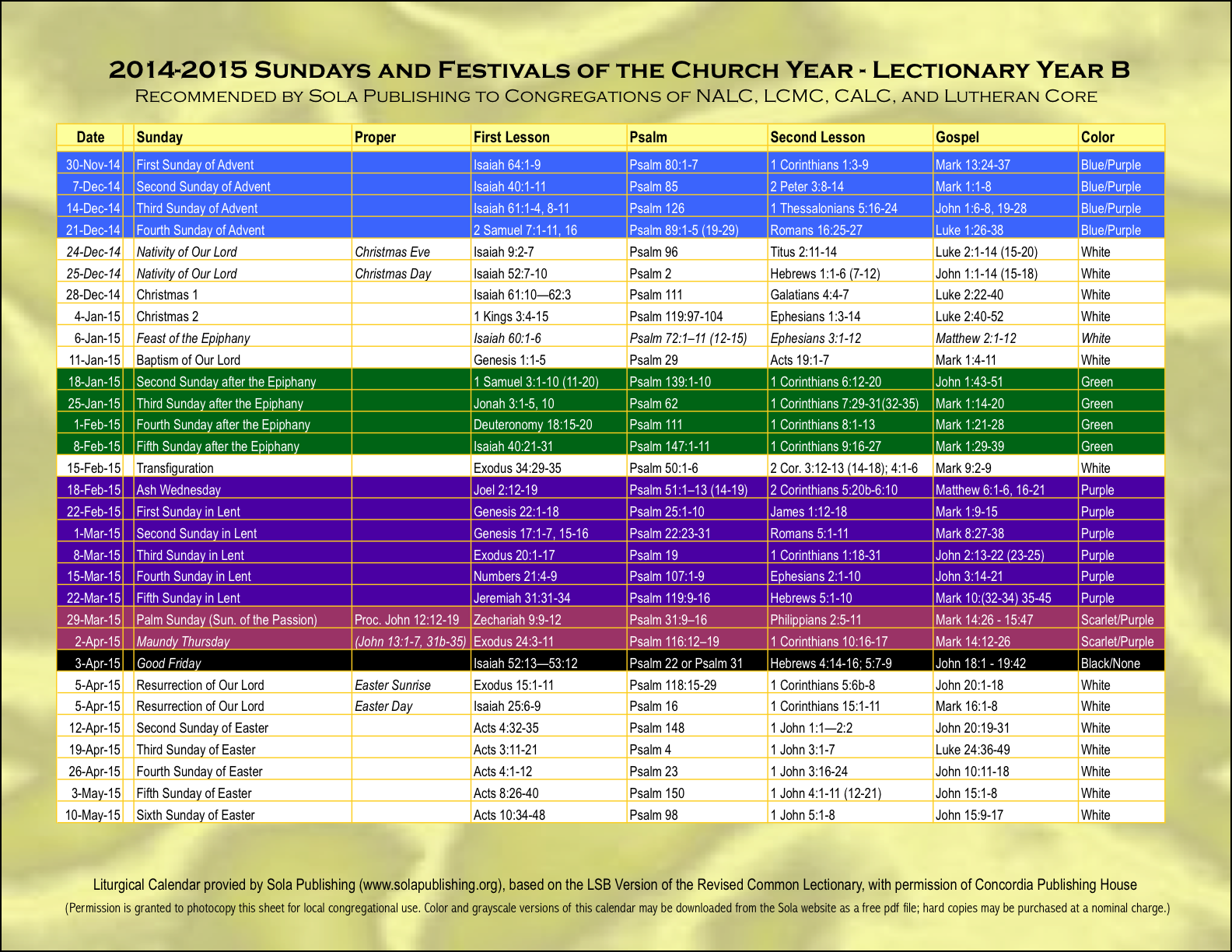
- 2021 Lectionary Year B Final | PDF | Lectionary | Liturgical Year
- Elca Lectionary Year B 2024 - Mela Stormi
- 2026 Vatican Calendar with Holidays
- New lectionary approved in time for Advent next year – Catholic Sabah
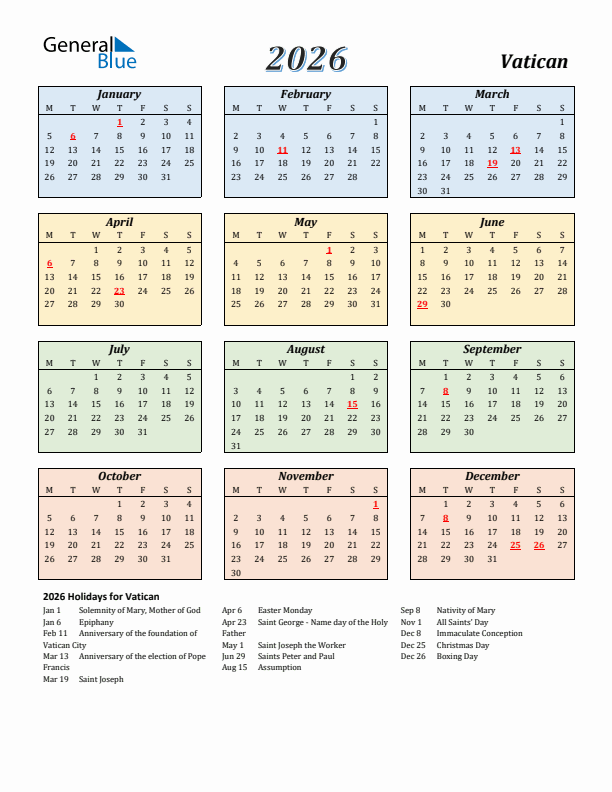
- Basic Yearly Calendar with Holidays in Vatican for 2026
- Lectionary Calendars for Year B 2023-2024 and Year C 2024-2025 now ...
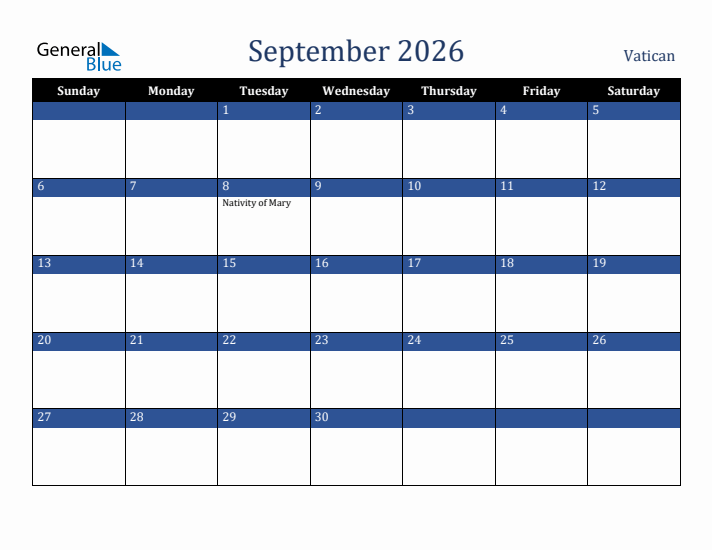
- September 2026 Calendar with Vatican Holidays
- 2026 Vatican Calendar with Holidays
- NEW LECTIONARY and NEW PEOPLE MISSALS — St. Rita's Shop

What is the Liturgical Calendar?

Structure of the Liturgical Calendar

Key Events in the Liturgical Calendar
Some of the most significant events in the Liturgical Calendar include: Solemnities: Major celebrations, such as the Immaculate Conception (December 8), the Nativity of the Lord (December 25), and the Assumption of the Blessed Virgin Mary (August 15). Feasts: Celebrations honoring saints, such as Saint Patrick (March 17) and Saint Joseph (March 19). Memorials: Commemorations of saints and martyrs, such as Saint Anthony of Padua (June 13) and Saint Teresa of Calcutta (September 5). The Liturgical Calendar is a rich and vibrant tapestry of celebrations, reflections, and commemorations that guide Catholics in the United States throughout the year. By understanding the structure and key events of the Liturgical Calendar, Catholics can deepen their faith, foster a sense of community, and connect with the universal Church. The USCCB's Liturgical Calendar provides a valuable resource for Catholics to navigate the various seasons and celebrations, promoting spiritual growth and a deeper understanding of the Catholic faith.For more information on the Liturgical Calendar, visit the United States Conference of Catholic Bishops (USCCB) website. Stay connected with your faith and join the Catholic community in celebrating the joys and mysteries of the Liturgical Calendar.